
An intramural fibroid is one of the most common types of uterine fibroids, and it often causes no early warning signs. Many women learn about it only after a routine pelvic scan or checkup.
This guide explains what an intramural fibroid is. You will also learn its symptoms, causes, and treatment options.
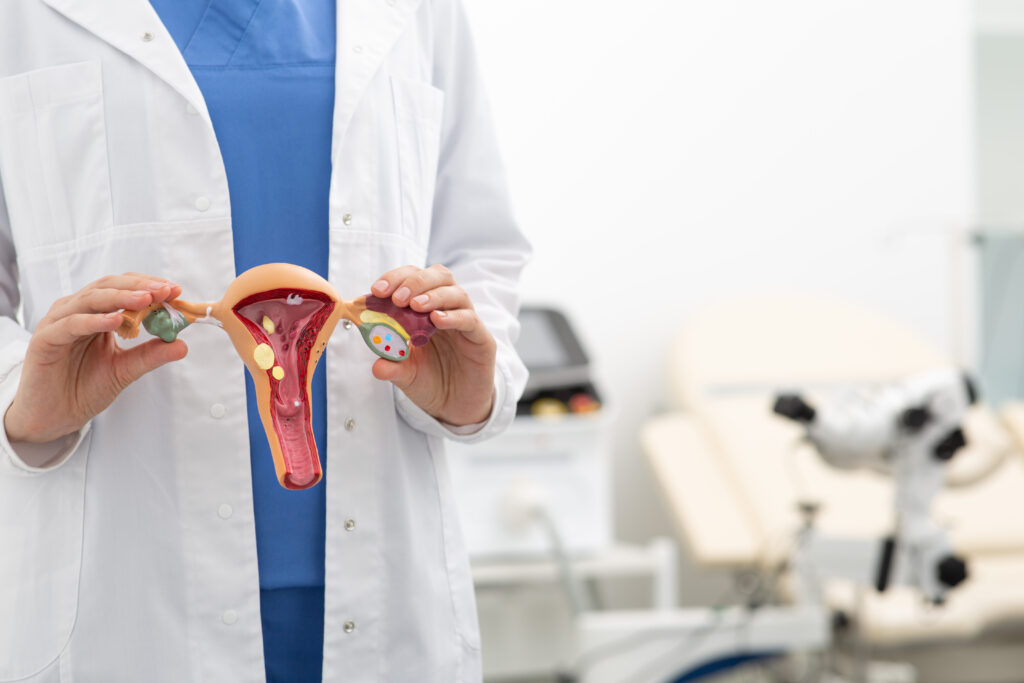
An intramural fibroid is a non-cancerous growth. It forms inside the muscular wall of the uterus.
Unlike other fibroid types, it stays within the uterine wall itself. It does not grow into the uterine cavity or outside the uterus.
Fibroids are grouped by their location in the uterus. Each type behaves a little differently.
Intramural Fibroid
An intramural fibroid grows within the muscle wall. It is the most common type of fibroid found in women.
Subserosal Fibroid
A subserosal fibroid grows on the outer surface of the uterus. It can press on nearby organs like the bladder or bowel.
Subserosal Uterine Fibroid Growth Pattern
A subserosal uterine fibroid sometimes grows on a thin stalk. This stalk allows the fibroid to twist, which can cause sudden pain.
Submucosal Fibroid
A submucosal fibroid grows just under the lining of the uterus. It often causes heavy bleeding, even when small.
Not every intramural fibroid causes symptoms. Many are found only during a routine exam or scan.
When symptoms do appear, they often relate to uterine fibroid symptoms in general. The size and number of fibroids affect how strong these symptoms feel.
Watch for these signs:
An intramural fibroid can also affect daily comfort. Pain during sex is a common complaint among patients.
Some women feel bloated most of the time. Fatigue from heavy blood loss is also common.
General fibroid symptoms can sometimes signal a larger problem. Very heavy bleeding may lead to anemia over time.
Severe pain, especially sudden pain, needs urgent care. This can happen if a fibroid twists or loses its blood supply.
Doctors do not know the exact cause of fibroids. However, several factors are believed to play a role.
Hormonal Factors
Estrogen and progesterone seem to affect fibroid growth. Fibroids often shrink after menopause, when hormone levels drop.
Genetic Factors
A family history of fibroids raises personal risk. Genes may control how muscle cells in the uterus grow.
Other Risk Factors
Several other factors may increase risk:
Uterine fibroids are very common in women of reproductive age. Many women develop at least one fibroid by age 50.
Black women tend to develop fibroids at a younger age. They may also experience more severe symptoms.
Doctors often find an intramural fibroid during a routine pelvic exam. Imaging tests then confirm the size and location.
Ultrasound
Ultrasound is usually the first test used. It shows the size, number, and position of fibroids clearly.
MRI Scan
An MRI gives a more detailed picture. Doctors often use it before planning surgery.
Hysteroscopy
This procedure looks inside the uterus with a thin camera. It helps confirm submucosal or intramural growth near the cavity.
Uterine fibroids treatment depends on symptoms, fibroid size, and future pregnancy plans. Not every fibroid needs treatment right away.
Doctors often start with the least invasive option. Treatment escalates only if symptoms continue or worsen.
Watchful Waiting
Small, symptom-free fibroids often just need monitoring. Regular scans track any changes in size.
Medications
Several medicines can help manage symptoms:
Minimally Invasive Procedures
These procedures avoid major surgery:
Surgical Options
Surgery is considered for larger or troublesome fibroids.
Small fibroids may only need monitoring or medication. Larger ones often need a procedure or surgery.
Location also matters for treatment choice. A deep growth in the muscle wall may need a different approach than one on the outer surface.
Fibroids treatment choices change for women planning pregnancy. Myomectomy is often preferred over hysterectomy in these cases.
This type of growth can sometimes affect fertility, depending on its size and position. Doctors weigh the risks and benefits carefully before choosing a treatment path.
Fibroids can range from very small to quite large. Some stay tiny for years, while others grow steadily over time.
Growth rate varies by person. Hormone levels, age, and genetics all play a part in how fast a fibroid grows.
Most fibroids cause no serious problems. In rare cases, complications can develop and need prompt care.
Possible issues include severe anemia from blood loss, pregnancy complications, and, rarely, a twisted stalk on a subserosal growth. Regular check-ups help catch these issues early.
Many women manage fibroid symptoms well with simple lifestyle habits. Small changes can reduce discomfort over time.
Helpful habits include:
Diet alone cannot cure fibroids, but it may support overall health. Some women find that certain habits ease their symptoms.
Helpful choices include eating more fruits and vegetables, limiting processed foods, and staying hydrated. Regular exercise also supports hormone balance and reduces bloating.
Recovery time depends on the treatment chosen. Medication and monitoring need no downtime at all.
Minimally invasive procedures usually need a few days of rest. Surgery, especially a hysterectomy, may require several weeks of recovery before normal activity resumes.
See a doctor if you have heavy periods lasting more than seven days. Pelvic pain, pressure, or frequent urination also deserve a check.
Sudden, severe pain needs urgent medical care. Early evaluation helps doctors choose the right treatment sooner.
There is no guaranteed way to prevent fibroids from forming. Genetics and hormones play a large role that lifestyle cannot fully control.
Still, some steps may lower overall risk. Maintaining a healthy weight, eating a balanced diet, and managing stress may all support hormonal balance over time.
A few myths often confuse patients. Clearing them up helps reduce unnecessary worry.
An intramural fibroid is a common, usually non-cancerous growth that develops within the muscular wall of the uterus. While some fibroids may not cause any symptoms, others can lead to heavy menstrual bleeding, pelvic pain, pressure, or discomfort. Understanding the symptoms, possible causes, and available treatment options can help you make informed decisions about your reproductive health. If you experience unusual or persistent symptoms, consult a qualified doctor for proper evaluation and timely care.