
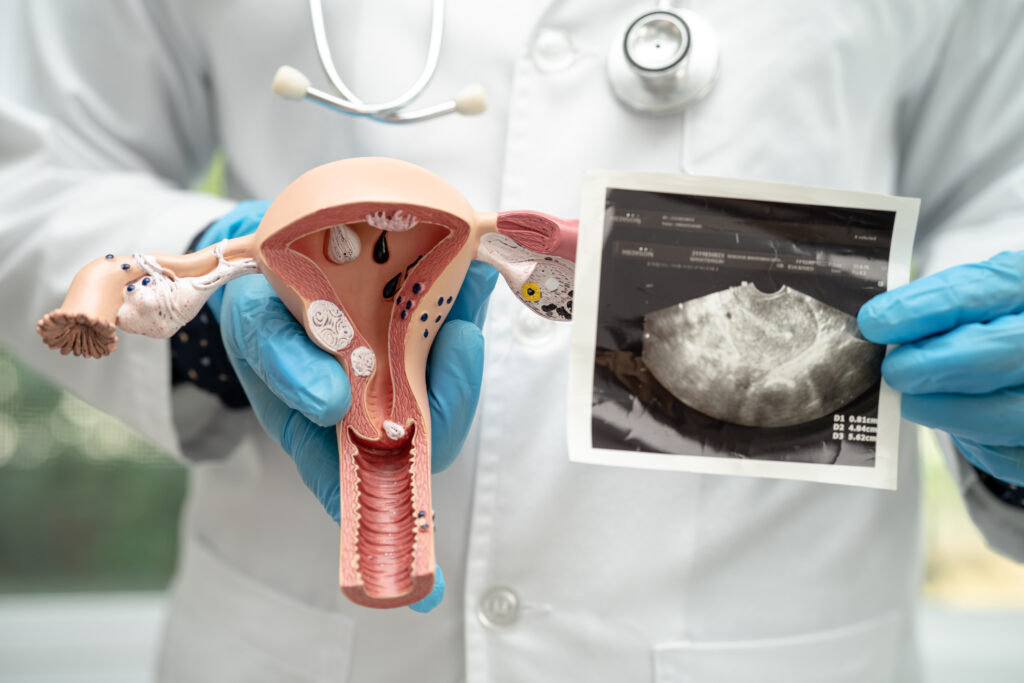
Uterine fibroids are one of the most common non-cancerous growths affecting women, and among the different types, a subserosal fibroid often raises the most questions. If your doctor has mentioned this term during an ultrasound or checkup, understanding exactly what it means, why it forms, and how it is treated can help you feel more confident about your next steps.
A subserosal fibroid is a type of uterine fibroid that grows on the outer wall of the uterus, just beneath the serosa (the thin membrane covering the uterus). Unlike fibroids that grow inside the uterine cavity, a subserosal fibroid pushes outward, sometimes forming a stalk-like growth called a pedunculated subserosal fibroid.
Because a subserosal uterine fibroid develops outside the uterine cavity, it doesn’t always affect menstrual bleeding the way other fibroid types do. However, depending on its size and location, it can press against nearby organs such as the bladder or bowel, leading to noticeable discomfort.
Before diving deeper into subserosal fibroids specifically, it helps to understand the basics of uterine fibroids as a whole.
So, what is uterine fibroids, exactly? Uterine fibroids are benign (non-cancerous) muscular tumors that grow within or on the uterus. They are extremely common — many women develop them at some point during their reproductive years, often without even knowing it, since fibroids don’t always cause symptoms.
Fibroids are generally classified based on their location:
Each type behaves differently, and a subserosal fibroid in particular tends to grow larger before symptoms appear, simply because it isn’t pressing against the uterine lining.
A subserosal uterine fibroid is unique because it grows outward from the uterus rather than inward. This means it can sometimes be mistaken for an ovarian mass on imaging until a proper scan confirms it’s actually a fibroid attached to the uterus.
Compared to submucosal fibroids, which often cause heavy bleeding a subserosal fibroid is more likely to cause pressure-related symptoms rather than menstrual irregularities though this isn’t a strict rule, and symptoms can vary from person to person.
Many women with a small subserosal fibroid experience no symptoms at all. However, as the fibroid grows, common uterine fibroid symptoms may include:
Unlike other fibroid types, fibroids symptoms related to a subserosal fibroid rarely include heavy menstrual bleeding, since the growth doesn’t distort the uterine lining. That said, larger fibroids can still affect the shape of the uterus enough to cause some bleeding changes.
A common question patients ask is: which size of fibroid is dangerous? There’s no single answer, since risk depends on location, growth rate, and symptoms not size alone. That said, general guidelines used by doctors include:
A subserosal fibroid can sometimes grow quite large without symptoms because it has room to expand outward into the pelvic cavity rather than into the uterine cavity.
Fibroid Normal Size in mm
For reference, fibroid normal size in mm can range widely; many small fibroids measure just 10–20 mm (1–2 cm), while larger ones can exceed 100 mm (10 cm). Doctors typically track fibroid size over time using ultrasound, since a rapidly growing fibroid — regardless of type warrants closer evaluation.
The exact cause of a subserosal fibroid, like other fibroid types, isn’t fully understood, but several factors are known to contribute:
Patients sometimes use the term fibroid cyst, though fibroids and cysts are actually different a fibroid is solid tissue, while a cyst is typically fluid-filled. Your doctor can distinguish between the two using imaging tests such as:
A thorough diagnosis is important because a subserosal fibroid needs to be correctly identified and measured before deciding on the right treatment approach.
Treatment for a subserosal fibroid depends on its size, symptoms, and whether the patient wants to preserve fertility. Not every fibroid requires treatment if it’s small and symptom-free; your doctor may simply recommend monitoring it with regular scans.
When treatment is needed, here are the main options for uterine fibroids treatment:
1. Watchful Waiting
If the subserosal fibroid is small and not causing symptoms, doctors often suggest routine monitoring rather than immediate intervention, since fibroids can shrink naturally after menopause.
2. Medication
Hormonal treatments can help manage symptoms, though they don’t eliminate the fibroid itself. Common options include:
3. Minimally Invasive Procedures
For a subserosal fibroid that needs more than medication, several non-surgical or minimally invasive options exist:
4. Surgical Treatment
For larger fibroids or when fertility preservation is a priority, surgery may be recommended:
Overall fibroids treatment decisions should always be made in consultation with a gynecologist, since the right approach depends heavily on individual health, fibroid characteristics, and personal goals.
You should consult a doctor if you notice:
Early evaluation of a subserosal fibroid helps ensure timely and appropriate treatment, especially since larger fibroids can sometimes complicate pregnancy or fertility.
A subserosal fibroid is a common, usually benign growth on the outer uterine wall that many women live with often without symptoms. Understanding its size, symptoms, and treatment options empowers you to make informed decisions alongside your healthcare provider. If you suspect you have a fibroid or have been diagnosed with one, regular monitoring and open communication with your doctor remain the best path toward managing your health effectively.